Disclosure: This post may contain affiliate links, meaning I get a commission if you decide to make a purchase through my links, at no extra cost to you. As an Amazon Associate, I earn from qualifying purchases.
Making pizza at home can be incredibly rewarding — but if your dough turns out dense, the crust doesn’t rise, or the cheese melts into a soupy mess, you’re not alone. Many beginners run into a few common home pizza mistakes without even realizing it.
Most pizza issues come from simple technique errors. Fix them, and your pizza game instantly jumps from “okay” to pizzeria-level.
Let’s break them down.
Common Home Pizza Mistakes Beginners Make
1. Not Letting the Dough Rest Long Enough
Good pizza dough needs time — not just to rise, but to relax. When the gluten hasn’t rested enough, the dough snaps back and becomes tough instead of airy.
How to fix it
- Allow the dough to ferment slowly (cold fermentation 24 hours+ works wonders)
- After shaping into balls, rest them again at room temperature for 1–2 hours before stretching
Patience = flavor and structure.
Pro tip: A digital kitchen scale makes dough ratios accurate and consistent.
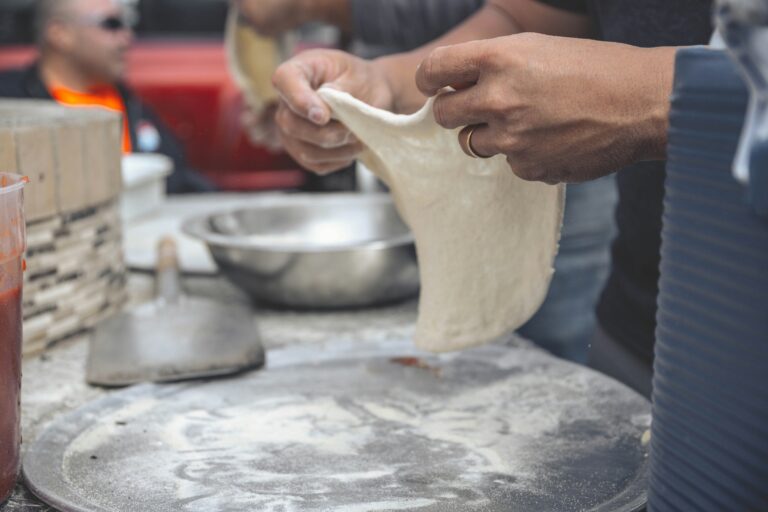
2. Rolling the Dough Instead of Stretching It
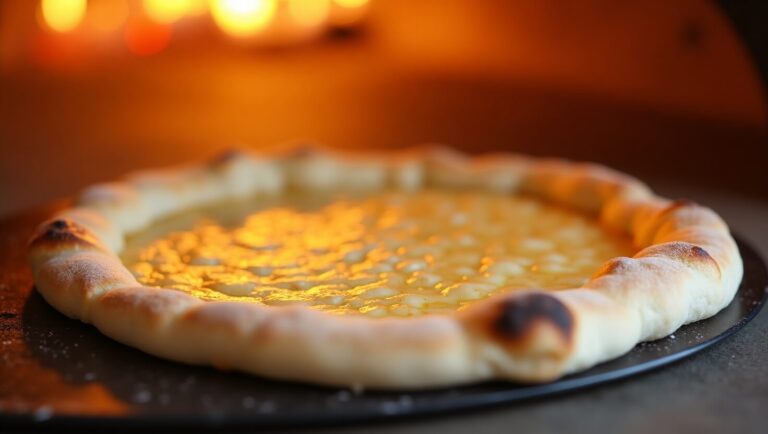
Using a rolling pin pushes out all the air — and air is what gives Neapolitan-style pizza that beautiful puffy cornicione (crust).
How to fix it
- Use your fingertips to gently press from the center outward
- Stretch by hand and let gravity help — don’t smash the edges
💡 Think “push and stretch,” not “flatten.”
3. Using Too Much Sauce
It’s tempting to go heavy — but too much sauce leads to soggy pizza and prevents proper browning.
How to fix it
- Use ~2–3 tablespoons of sauce for a 10–12 inch pizza
- Spread thinly and leave space around the edges
Less sauce = crisper crust & better flavor balance.
4. Baking at a Low Temperature
Home ovens don’t reach wood-fired heat levels, so baking too low leads to a pale, dry crust with little rise.
How to fix it
- Preheat your oven to the highest setting (usually 250–290°C / 475–550°F)
- Preheat your pizza stone or steel for 45–60 minutes before baking
High heat + thorough preheat = better rise, better color, better flavor.
Pro tip: Using a pizza stone or steel helps maintain strong heat for a crisp, well-browned base.
5. Baking on a Cold Surface
Placing pizza dough on a cold tray or surface prevents proper oven-spring and can lead to a dense or pale bottom crust. Pizza needs strong initial heat to puff up and set quickly.
How to fix it
- Preheat your pizza stone or steel before baking
- If you’re using a baking tray, warm it in the oven first, then place the dough on it
A hot surface helps the base crisp and rise beautifully.
Pro tip: A pizza peel makes it easy to transfer your pizza onto a hot surface without losing shape.
Tools Mentioned in This Post
(Add your affiliate links here)
Final Tip: Avoid Home Pizza Mistakes
Practice is your best ingredient.
Making pizza is like making homemade pasta — the more you do it, the better your hands understand the dough.
Start simple. Focus on technique. Then upgrade gear when you’re ready.
And if you want a quick win?
Use less sauce, stretch by hand, and preheat your oven like you’re serious.
Fixing just a few home pizza mistakes can completely transform your results.
Want to improve your dough skills even more?
Check out my guides for mastering dough at home:
Neapolitan Pizza Dough with Poolish – Easy Guide
Neapolitan Pizza Dough No Poolish – Perfect for Beginners