Disclosure: This post may contain affiliate links, meaning I get a commission if you decide to make a purchase through my links, at no extra cost to you. As an Amazon Associate, I earn from qualifying purchases.
Getting your pizza dough just right is one of the biggest challenges when making pizza at home. Even if you follow a recipe perfectly, it’s not always clear when the dough is actually ready for stretching and baking.
This guide will help you recognize the exact signs of a ready dough so you can bake lighter and airier pizzas at home — and truly understand how to know when pizza dough is ready.
Before we start—if you’re new to homemade pizza, you might also like my guide on common pizza mistakes and how to fix them, which can help you avoid issues early on.
1. Finger Test: How to Know When Pizza Dough Is Ready
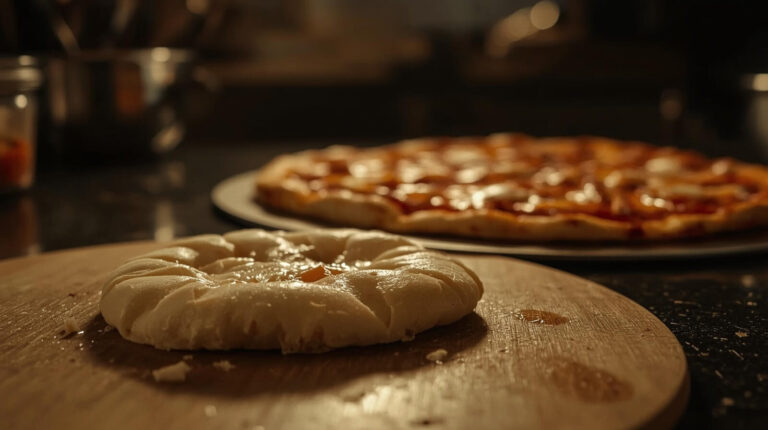
Gently press the dough with your finger.
- If the dent slowly springs back → the dough is ready.
- If it springs back fast → it needs more time.
- If it doesn’t spring back → slightly over-proofed but still usable.
2. Check Softness: Feeling If Dough Is Ready
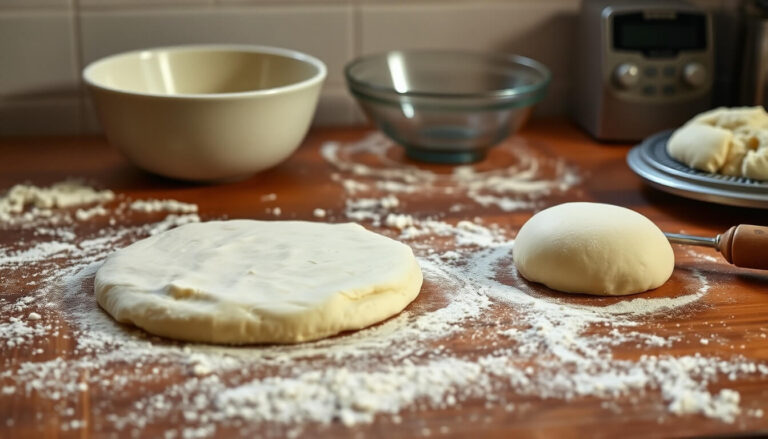
A ready dough should feel light, airy, and slightly puffy when you touch it.
You’re not lifting the dough yet — just gently feeling the surface to check its softness.
If the dough feels stiff, tight, or heavy, give it a little more time to relax.
3. Look for Tiny Bubbles
Small surface bubbles are a great sign that the dough is fermenting properly and developing gas for an airy crust.
If the dough is completely smooth, give it more time.
4. Easy to Stretch Without Tearing
When your dough is ready, it should stretch smoothly and naturally without tearing.
If it tears easily, it may be slightly over-proofed or not strong enough.
If it shrinks back quickly, let it rest for another 10–15 minutes.
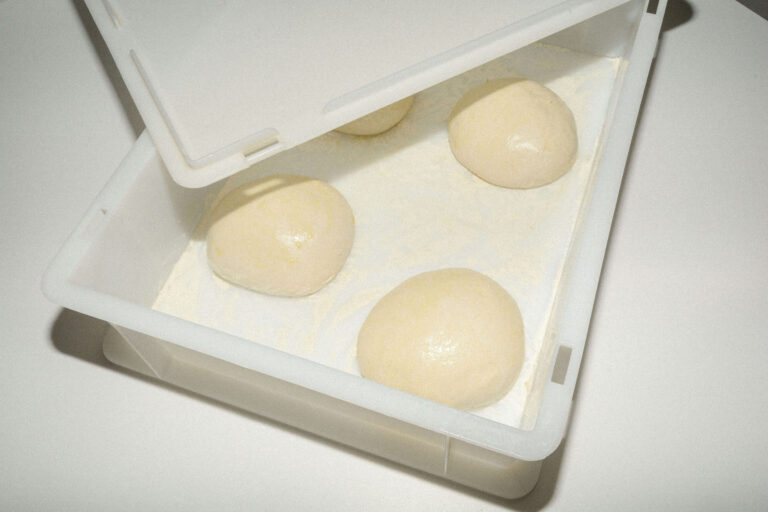
Use a dough scraper to gently lift your dough balls from the proofing container without damaging their shape. This helps avoid tearing before you start stretching.
5. It Should Rise 30–50%
Unlike bread dough, home pizza dough doesn’t need to double.
A rise of 30–50% is perfect for Neapolitan-style pizza.
If it didn’t rise at all, it’s not ready yet.
6. The Smell Test
A properly proofed dough smells mildly sweet and yeasty — not sour or alcoholic.
Final Thoughts
Once you know what signs to look for — softness, bubbles, smooth stretching, and a slow spring-back — you’ll be able to tell exactly when your pizza dough is ready, even without timers or guesswork.
If you’re still new to pizza making, check out these helpful resources:
- My beginner-friendly pizza tools guide
- My no-poolish dough recipe for beginners
- My Neapolitan poolish dough guide
Each post focuses on simple steps you can use to improve your homemade pizza fast.
Enjoy the process — your pizzas will only get better from here.